OSITE Themes – How to Change, Customize, and Extend Your Website Design
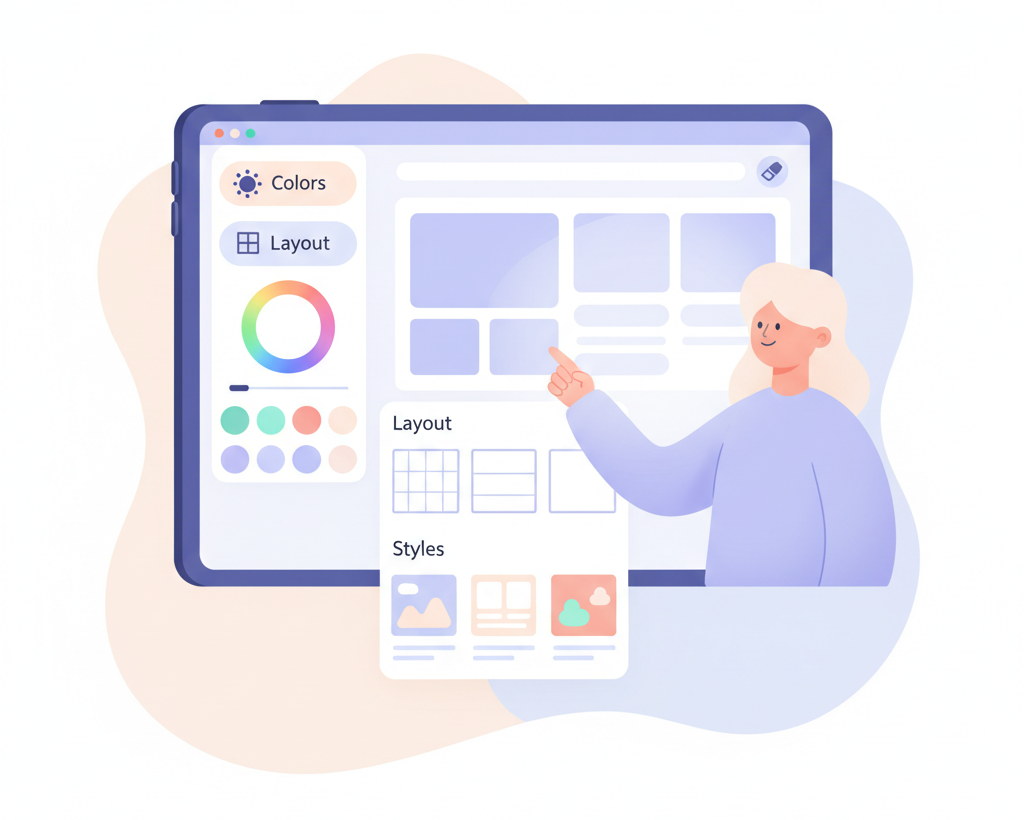
Design is usually the part of a website people fear touching. Once something is live, many site owners hesitate to change how it looks because they assume redesigning means starting over, losing content, or breaking pages that already work.
This is where themes change the entire experience.
Instead of locking your website into a single visual identity, the design layer is built to evolve independently. Pages, posts, products, and data remain exactly as they are, while the layout, structure, and visual presentation can be swapped, refined, or upgraded at any time. Once users understand this separation, redesigns stop feeling risky and start feeling experimental—in a good way.
How Themes Actually Work Behind the Scenes
A theme is not just a coat of paint. It is a complete, self-contained design system that lives separately from your content.
Each theme exists as its own folder. Inside that folder are everything needed to present your site visually: layout templates that control page structure, stylesheets and assets that define colors and spacing, configuration files that manage behavior and options, and sometimes extra user interface components for specific sections like hero areas, feature grids, or call-to-action blocks.
What a theme never touches is your database. Your content does not move, duplicate, or disappear when you change designs. Articles remain articles, pages stay pages, and form entries stay intact. You simply change which theme is active, and the same content is rendered through a different design layer.
Only one theme can be active at a time, which keeps things predictable and stable. Switching from one theme to another does not cause data loss, and updates to a theme can happen independently of your content. A good way to think about themes is as replaceable shells around your website’s core—remove one, attach another, and everything inside remains safe.
Choosing Between Free and Paid Themes
Not every website needs an advanced design system on day one, and that is intentional.
Free themes are ideal when you are just getting started or validating an idea. They work well for blogs, personal websites, MVPs, and learning how the system behaves. These themes usually provide clean core layouts, minimal configuration options, and are often supported by the community. They are lightweight, simple, and predictable, which makes them perfect for early experimentation.
Paid themes are built for situations where time, polish, and conversion matter more. Business websites, landing pages, SaaS platforms, agency projects, and reseller setups benefit most from them. These themes often include advanced layout sections, ready-made page templates, stronger mobile optimization, and built-in theme-level settings panels that let you tweak design elements without touching code.
The real advantage of paid themes is speed. Instead of spending weeks assembling layouts, adjusting spacing, and testing responsiveness, much of that work is already done for you. In practice, upgrading to a premium theme often saves far more time than it costs.
Installing and Switching Themes with Confidence
Installing a theme is designed to feel low-risk. Because themes are isolated from content, you can activate one knowing that your site’s data will remain untouched. If the result is not what you expected, switching back is just as simple.
This encourages a healthier way of working with design. Rather than committing too early or being afraid to try something new, you can treat themes as tools—install one, explore its structure, see how your content looks inside it, then decide whether to keep it, customize it, or replace it entirely.
Over time, this freedom changes how people think about websites. Design stops being a one-time decision and becomes something you refine as your goals grow.
Extending and Customizing Beyond the Default Look
Themes are not fixed endpoints. They are starting points.
Once a theme is active, you can extend it by adjusting configuration files, adding custom styles, or layering in additional components. Some themes expose settings panels that let you control layout spacing, typography, or section visibility without code. Others are designed to be extended manually by developers who want deeper control.
Because the theme system is modular, these customizations remain isolated. Updating the theme or switching to a new one later does not force you to rebuild your entire site from scratch.
Moving Forward
The simplest next step is to install your first theme and see how your existing content adapts instantly. That moment—when the same pages appear in a completely different layout without any data loss—is where everything clicks.
As your needs grow, premium themes and extensions become natural upgrades, not forced decisions. They exist to remove friction, reduce design time, and help your site look intentional from day one rather than improvised.
Once you experience that flexibility firsthand, redesigns stop being something you postpone and start becoming something you explore.